AI in Gaming has officially entered its most revolutionary phase, and honestly, it's getting a bit embarrassing. That shopkeeper in your favorite RPG now remembers you insulted them three weeks ago. The enemy soldier you faced yesterday has learned your combat patterns. Meanwhile, your actual squad member just ran into the same wall for the fifth time.
Welcome to 2026, where non-playable characters are leaving human players in the dust.
The Revolutionary Shift in AI in Gaming Technology
The transformation happening in 2026 isn't just incremental—it's seismic. Thanks to platforms like NVIDIA ACE (Avatar Cloud Engine) and Inworld AI, NPCs have evolved from scripted robots into genuine digital beings with memory, emotions, and strategic thinking capabilities.
NVIDIA ACE enables NPCs to perceive, plan, and act like human players through advanced conversational AI, game-state awareness, and decision-making systems. This means characters in your games aren't just following predetermined paths anymore—they're actually thinking.
Take PUBG: BATTLEGROUNDS, for instance. The game is testing “PUBG Ally,” an AI-powered teammate that doesn't just follow you around. This AI companion can remember your performance, learn from past games, and coordinate tactical strategies with you. It's like having a squadmate who actually pays attention during the pre-game briefing.

How AI in Gaming is Creating Smarter NPCs
What makes these 2026 NPCs so remarkably intelligent? It's a cocktail of cutting-edge technologies working together:
Large Language Models (LLMs): These give NPCs the ability to engage in natural, context-aware conversations. No more cycling through the same three dialogue options. You can actually ask an NPC anything, and they'll respond coherently based on their personality, the game's lore, and your past interactions.
Persistent Memory Systems: Modern AI NPCs operate with three-tiered memory. Short-term memory handles immediate situations, mid-term memory tracks missions and relationships, and long-term memory shapes character development across your entire playthrough. AI NPCs can now remember past interactions, influence future plotlines, and form relationships based on player actions throughout the game.
Autonomous Decision-Making: Instead of following basic “if-then” logic, AI NPCs use neural networks to weigh multiple options and choose actions that fit the context. An NPC ally might decide between healing you, defending themselves, or attacking an enemy based on analyzing the actual battlefield situation—not because a script told them to.
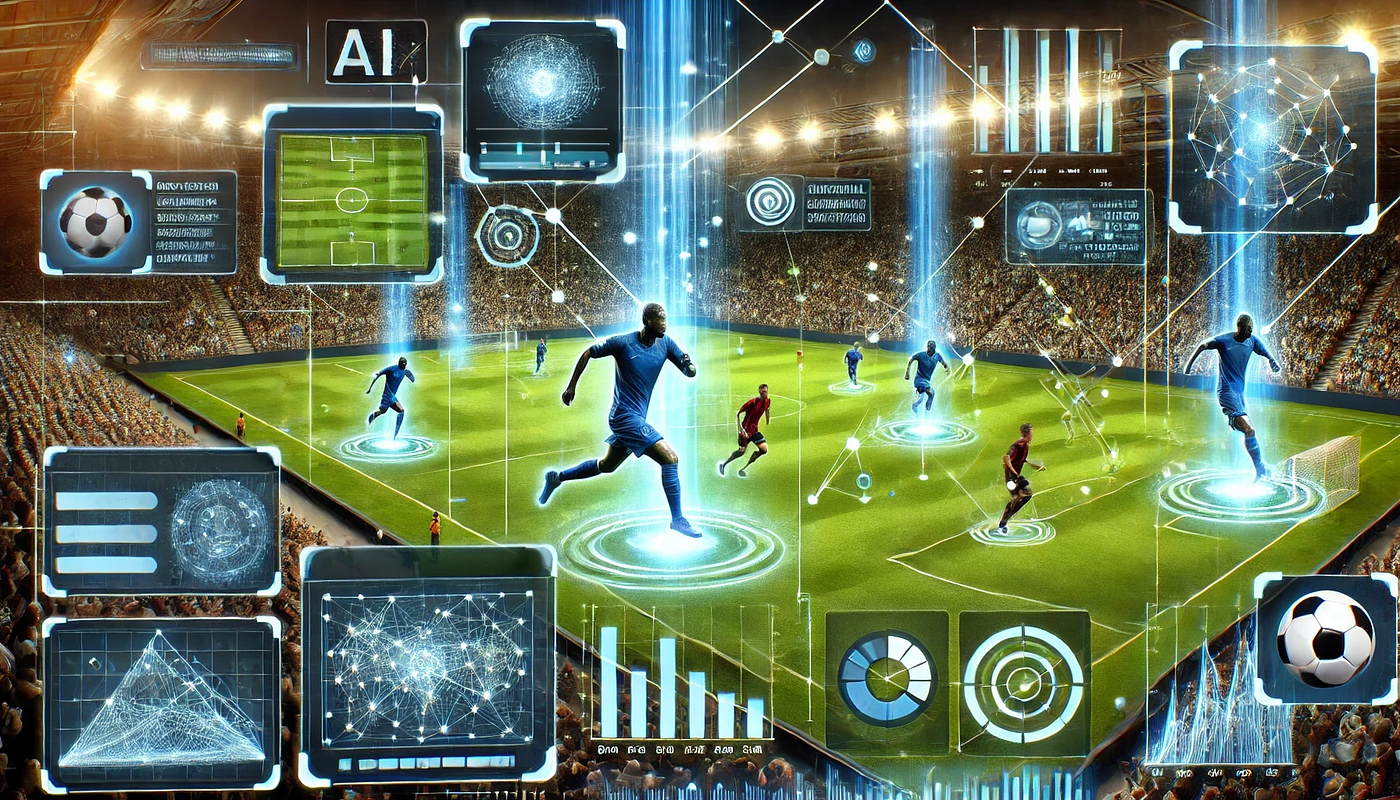
AI in Gaming: Dynamic Responses That Outthink Your Teammates
Here's where things get interesting (and slightly humiliating for human players). These intelligent NPCs are demonstrating strategic capabilities that put many squad members to shame.
In Creative Assembly's Total War: PHARAOH, the AI advisor doesn't just recite tutorial text. The advisor understands user requests, analyzes current gameplay state, and provides precisely tailored assistance while maintaining character consistency with the historical period. It's like having a history professor who's also a tactical genius sitting beside you.
KRAFTON's inZOI takes this even further with “Smart Zois”—NPCs with distinct personalities who make autonomous decisions. Smart Zois with considerate personalities might assist lost characters with directions or offer food to hungry strangers, adjusting their schedules based on daily experiences. These characters aren't waiting for player input; they're living their own lives.
Compare this to your typical multiplayer experience where teammates forget the objective, ignore callouts, and somehow manage to throw grenades at their own feet. The contrast is stark.
Branching Storylines Powered by AI in Gaming
The storytelling implications of intelligent NPCs are staggering. Traditional games relied on branching dialogue trees—complex but ultimately finite. In 2026, AI-powered systems are creating narratives that evolve organically based on accumulated interactions.
By 2026, NPCs could be acting, speaking, and responding with a subtlety of storytelling previously impossible without human direction. Games no longer need strictly pre-written branching quests. Instead, narratives grow naturally from player interactions, creating truly unique experiences for each playthrough.
Imagine playing a detective game where suspects don't cycle through predetermined lies. They actually fabricate consistent stories, remember what they've told you, and get nervous when you catch them in contradictions. That's what games like Vaudeville are delivering in 2026—unscripted psychological gameplay powered by generative AI.
The Learning Capabilities Transforming AI in Gaming
Perhaps the most impressive aspect of 2026's AI NPCs is their learning capability. These aren't static characters—they evolve.
Modern AI NPCs store interactions, allowing grudges, friendships, and dynamic dialogue to evolve naturally, with memory persisting across sessions. Betray an NPC ally in the first hour of gameplay? They'll remember and adjust their behavior accordingly when you meet them again twenty hours later.
Enemy NPCs are particularly terrifying in this regard. They observe your tactics, identify patterns, and adapt their strategies. Rely too heavily on stealth? Expect enemies to start checking hiding spots more thoroughly. Favor a particular weapon? Watch them adjust their positioning to counter it.
It's forcing players to actually think strategically rather than exploiting the same cheese tactics repeatedly. And yes, this means NPCs are displaying more tactical sophistication than that one friend who keeps pushing alone and complaining about lack of support.
Real-World Implementation of AI in Gaming
These aren't theoretical concepts—they're shipping in actual games. Several high-profile titles are already implementing these technologies:
PUBG: BATTLEGROUNDS is rolling out AI teammates through PUBG Arcade, testing in multiple languages to refine the experience.
inZOI has become one of Steam's most wishlisted games largely due to its “Smart Zoi” feature, allowing players to activate AI-driven NPCs that live autonomous lives.
The Elder Scrolls VI (expected in 2026) is anticipated to feature AI-powered NPCs that form evolving relationships with players, remembering past interactions and adjusting behavior accordingly.
Even indie developers and modders are getting in on the action. The Skyrim modding community has replaced nearly every NPC with AI-powered versions using Inworld AI technology, transforming the decade-old game into a playground for conversational AI.
The Challenges Facing AI in Gaming Development
It's not all smooth sailing. Implementing intelligent NPCs comes with significant challenges. These systems require massive computing power—not every player has a high-end GPU that can handle real-time AI processing.
There's also the unpredictability factor. Generative NPCs may produce unexpected or undesirable outcomes, and gather sensitive player data by analyzing tone, emotional state, and behavior. Major studios are proceeding cautiously, integrating intelligent NPCs in limited areas before wider deployment.
And there's the philosophical question: when NPCs become too intelligent, do they stop feeling like NPCs and start feeling like actual people? Some players report genuine guilt about harming AI characters who remember kindnesses, express fear convincingly, and form emotional bonds.
What This Means for the Future of AI in Gaming
Looking ahead, the trajectory is clear: NPCs will continue getting smarter while human teammates… well, results may vary.
The gaming industry is moving toward worlds that feel genuinely alive. AI NPCs can offer dynamic, player-centric journeys, providing clues or initiating quests based on player interactions with characters or the environment. These aren't theme park attractions following rails—they're simulated societies with their own internal logic.
Some developers envision future games where entire ecosystems, economies, and political systems emerge organically from AI-driven NPC behavior. Factions would form and dissolve based on NPC-to-NPC interactions. Trading networks would develop naturally. Characters would have genuine relationships, rivalries, and grudges—all without a single line of hand-scripted dialogue.
The Verdict: AI in Gaming's New Reality
So are your 2026 NPCs actually smarter than your squad members? In many measurable ways—memory, consistency, tactical adaptation, and contextual awareness—the answer is increasingly yes.
These AI characters remember everything, learn from experience, coordinate strategies, and respond intelligently to dynamic situations. Meanwhile, human players are still figuring out which button reloads.
The real magic of AI in Gaming isn't just creating smarter NPCs—it's creating virtual worlds that feel truly alive. Worlds where every character has depth, every choice matters, and every playthrough tells a unique story shaped by genuine interactions rather than predetermined scripts.
Ready to Experience the Future of AI in Gaming?
The revolution is already here, and it's more impressive than anyone predicted. Whether you're a hardcore gamer tired of predictable NPCs or a casual player curious about what's next, 2026's AI-powered games offer experiences that were pure science fiction just a few years ago.
Have you encountered any surprisingly intelligent NPCs lately? Drop your experiences in the comments below. Have these AI characters outperformed your human teammates? We want to hear your stories—the good, the bad, and the hilariously embarrassing.
Share this article with that friend who keeps forgetting the mission objective. Maybe they'll realize the NPCs are setting a higher standard.
And if you're a game developer, what's your take on implementing these technologies? Are we heading toward a future where single-player games become more socially engaging than multiplayer? The conversation is just beginning, and we need voices from both players and creators to shape what comes next.
Join the discussion and let's explore where AI in Gaming is taking us together.