Shah Rukh Khan Alia Bhatt Deepfake Risk Tops 2025 Cybersecurity Concerns
Shah Rukh Khan Alia Bhatt Deepfake Risk has emerged as a critical issue in 2025, with McAfee's latest ‘Most Dangerous Celebrity: Deepfake Deception List' placing both Bollywood superstars at the forefront of AI-driven cybercrime exploitation. As India's most searched celebrities on Google throughout 2025, Shah Rukh Khan and Alia Bhatt have become prime targets for cybercriminals leveraging artificial intelligence to create convincing fake endorsements, fraudulent content, and unauthorized digital impersonations.
Shah Rukh Khan continues to dominate internet searches even after decades in the industry, with his recent blockbuster films and consistent global presence keeping him permanently trending. Meanwhile, Alia Bhatt has experienced another winning year with her international debut, high-fashion moments at global events, and back-to-back hits keeping her constantly in the spotlight. This immense online visibility, while cementing their status as cultural icons, has inadvertently made them vulnerable to sophisticated deepfake manipulation.
The convergence of their massive search popularity and the advancing capabilities of AI technology has created a perfect storm for exploitation. According to cybersecurity experts, a staggering 90% of Indians have encountered fake or AI-generated celebrity endorsements, with victims reporting an average financial loss of Rs 34,500. This alarming statistic underscores the urgent need for enhanced digital literacy, stronger legal protections, and proactive security measures to combat the Shah Rukh Khan Alia Bhatt Deepfake Risk.
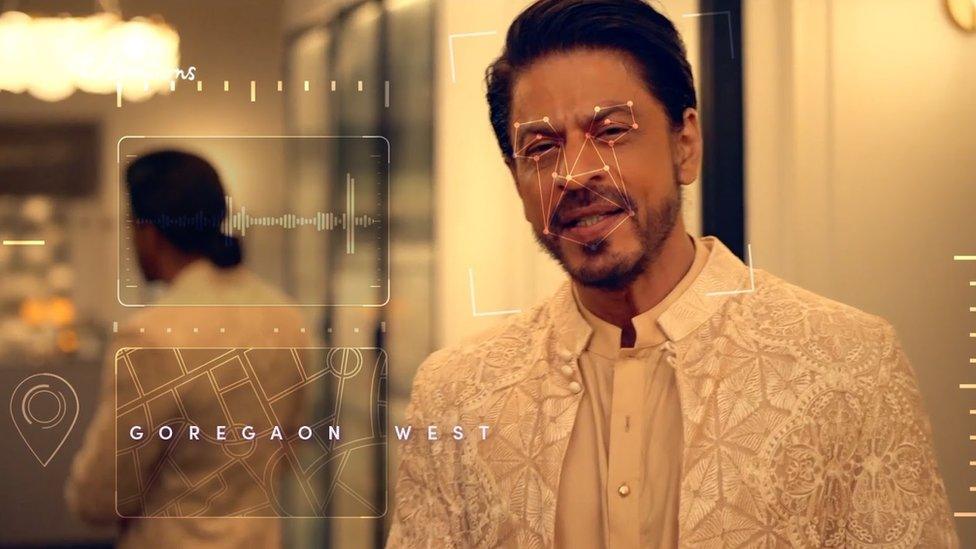
Understanding the Shah Rukh Khan Alia Bhatt Deepfake Risk: How AI Exploitation Works
Deepfake technology employs sophisticated artificial intelligence algorithms to manipulate video, audio, and images, creating content that appears remarkably authentic. In the context of Shah Rukh Khan Alia Bhatt Deepfake Risk, cybercriminals utilize these tools to generate fraudulent endorsements, fake promotional content, and even explicit material without the celebrities' knowledge or consent.
The Technology Behind Deepfakes:
The creation of deepfake content involves generative adversarial networks (GANs) and machine learning models that can analyze thousands of images and videos of a person to understand their facial features, expressions, voice patterns, and mannerisms. Scammers now require as little as three seconds of a person's voice to create convincing audio deepfakes, making the threat more accessible and dangerous than ever before.
Common Exploitation Methods:
Cybercriminals exploit the Shah Rukh Khan Alia Bhatt Deepfake Risk through several deceptive strategies:
- Fake Product Endorsements: AI-generated videos showing celebrities promoting cryptocurrency schemes, skincare products, investment opportunities, or health supplements they've never actually endorsed.
- Fraudulent Giveaways: Deepfake content claiming the celebrities are hosting contests or offering prizes, directing victims to phishing websites or malicious downloads.
- Unauthorized Commercial Use: Creating synthetic content for advertisements, merchandise, or entertainment without permission or compensation.
- Explicit Content Creation: The vast majority of deepfake creations online lean toward non-consensual explicit content, hitting women hardest and perpetuating cycles of harassment and objectification.
Pratim Mukherjee, Senior Director of Engineering at McAfee, stated that deepfakes have changed the game for cybercriminals, noting they're no longer hacking systems but hacking human trust. India's vibrant celebrity culture and massive online engagement amplify these risks, as technology can now effortlessly mimic the voices, faces, and mannerisms of beloved public figures.

The Scale of Shah Rukh Khan Alia Bhatt Deepfake Risk: McAfee's 2025 Findings
McAfee's 2025 ‘Most Dangerous Celebrity: Deepfake Deception List' places Shah Rukh Khan at the top, followed closely by Alia Bhatt and tech mogul Elon Musk. This ranking reflects the frequency with which these personalities' likenesses are exploited in AI-driven scams and fraudulent content across digital platforms.
The Top 10 Most Exploited Celebrities in 2025:
- Shah Rukh Khan
- Alia Bhatt
- Elon Musk
- Priyanka Chopra Jonas
- Cristiano Ronaldo
- MrBeast
- Lionel Messi
- Taylor Swift
- Kim Kardashian
- BTS Members
The positioning of two Bollywood stars in the top three spots highlights the particular vulnerability of Indian celebrities to deepfake exploitation. Their dominant presence in Google searches throughout 2025 has made them attractive targets for cybercriminals seeking to leverage their credibility and fan loyalty for malicious purposes.
Demographic Vulnerability Patterns:
The findings reveal that younger users are particularly vulnerable to deepfake scams, with 62% of those aged 35-44 and 60% of 25-34-year-olds admitting to clicking on fake celebrity ads. Interestingly, only 53% of individuals aged 18-24 fell for such scams, while skepticism increases significantly with age—just 46% of those aged 45-54 and only 17% of individuals over 65 reported being deceived by fake celebrity endorsements.
This data suggests that digital natives, despite their familiarity with technology, may paradoxically be more susceptible to sophisticated AI-generated content due to their high engagement levels with celebrity culture and social media platforms.
Legal Battles: How Shah Rukh Khan Alia Bhatt Deepfake Risk Is Being Addressed
While Shah Rukh Khan and Alia Bhatt themselves haven't filed specific deepfake lawsuits, several Bollywood actors including Akshay Kumar, Aishwarya Rai Bachchan, Abhishek Bachchan, Amitabh Bachchan, Hrithik Roshan, Karan Johar, and Asha Bhosle have secured court protection against deepfakes and AI-generated content or unauthorized use of their identities on social media platforms.
Landmark Legal Developments:
In December 2025, India's courts in New Delhi and Mumbai tackled a new breed of lawsuits with leading Indian cinema celebrities fighting back against unauthorized deepfakes and AI-generated impersonations. Actors like NTR Jr., R. Madhavan, and Shilpa Shetty filed and won powerful court orders aimed at blocking the spread of synthetic images, audio, and videos mimicking their likeness.
The Bachchan family's lawsuits represent the most high-profile cases to date about the interplay of personality rights and the risk that misleading or deepfake YouTube videos could train other AI models. Their legal actions against Google and YouTube seek not only the removal of existing deepfake content but also safeguards preventing such material from being used to train future AI systems.
India's Legal Framework Challenges:
Vinay Butani, Partner at Economic Laws Practice, notes that while courts have been proactive, there is no single statute that clearly protects image, voice, likeness, or persona in India. People must rely on a patchwork of trademark laws, copyright laws, and constitutional principles like the right to privacy under Article 21, with judges stitching together remedies case by case.
This legal ambiguity makes combating the Shah Rukh Khan Alia Bhatt Deepfake Risk particularly challenging, as celebrities and their legal teams must navigate multiple legal frameworks without explicit statutory protection for personality rights.
Court Interventions and Platform Accountability:
In the NTR Jr. case, the judge held that once notified, intermediaries must quickly remove AI-driven impersonations, deepfakes, and synthetic content, rejecting platform defenses based on being a neutral host. These precedents establish important accountability standards for social media platforms and content hosting services.
Economic Impact of Shah Rukh Khan Alia Bhatt Deepfake Risk on Bollywood
The Shah Rukh Khan Alia Bhatt Deepfake Risk extends beyond individual reputation damage to threaten the fundamental economic model of India's entertainment industry. Bollywood operates as a multi-billion-dollar ecosystem built on carefully cultivated star personas, brand endorsements, and controlled public images.
Brand Endorsement Vulnerability:
Shah Rukh Khan and Alia Bhatt command premium rates for brand endorsements precisely because of their credibility and public trust. When deepfake content creates false associations with products or services, it erodes this trust and potentially devalues their authentic endorsement power. Companies investing millions in celebrity partnerships face uncertainty about whether consumers can distinguish genuine endorsements from AI-generated fakes.
Revenue Loss and Scam Economics:
Actors allege that creators infringing their personality rights can make money when videos become popular. A YouTube channel titled “AI Bollywood Ishq” sharing AI-generated Bollywood content has garnered 16.5 million views across 259 videos, with the most popular video attracting 4.1 million views. This demonstrates how unauthorized deepfake content can generate substantial revenue through advertising and engagement metrics, all while exploiting celebrity likenesses without compensation.
Industry-Wide Implications:
Bollywood is not only a cultural behemoth but a billion-dollar industry, and if audiences cannot trust what they see, and if talent cannot secure their commercial value, the entire infrastructure of talent development and rights management could destabilize. The Shah Rukh Khan Alia Bhatt Deepfake Risk represents a systemic threat that could fundamentally alter how the entertainment industry operates in the digital age.
Protecting Yourself from Shah Rukh Khan Alia Bhatt Deepfake Risk Scams
As consumers and fans, understanding how to identify and avoid falling victim to deepfake scams involving Shah Rukh Khan, Alia Bhatt, or other celebrities is crucial for personal financial security and digital safety.
Red Flags to Watch For:
- Too Good to Be True Offers: Celebrity giveaways, unrealistic investment returns, or miracle product endorsements should trigger immediate skepticism.
- Unusual Communication Channels: Legitimate celebrity endorsements typically occur through verified official channels, not random social media posts or messaging apps.
- Poor Video Quality Inconsistencies: While deepfakes have become sophisticated, telltale signs often include unnatural facial movements, lighting inconsistencies, or audio synchronization issues.
- Pressure Tactics: Scammers often create urgency (“limited time offer,” “act now”) to prevent potential victims from verifying information.
- Requests for Personal Information: Legitimate celebrity promotions never require sensitive personal data, banking information, or cryptocurrency transfers.
Verification Strategies:
Before engaging with any content featuring Shah Rukh Khan, Alia Bhatt, or other celebrities:
- Check official verified social media accounts for confirmation
- Search for news coverage from reputable entertainment media outlets
- Look for watermarks, source attribution, and production credits
- Cross-reference with the celebrity's known brand partnerships
- Report suspicious content to platform administrators
Digital Literacy and Education:
The most effective defense against the Shah Rukh Khan Alia Bhatt Deepfake Risk involves cultivating critical digital literacy. Understanding that AI technology can now create remarkably convincing fake content helps maintain appropriate skepticism when encountering celebrity-related material online.
Parents should educate children and teenagers about deepfake technology, as younger demographics show higher vulnerability to these scams. Similarly, elderly family members require guidance on identifying AI-generated content, particularly given their lower reported susceptibility but potentially greater financial vulnerability when deceived.
Technology Solutions Addressing Shah Rukh Khan Alia Bhatt Deepfake Risk
As the Shah Rukh Khan Alia Bhatt Deepfake Risk continues to evolve, technology companies, platforms, and cybersecurity firms are developing solutions to detect, prevent, and mitigate deepfake content.
AI Detection Tools:
Ironically, artificial intelligence itself provides some of the most effective defenses against deepfakes. Machine learning algorithms can now analyze videos and images to identify subtle artifacts, inconsistencies, and patterns characteristic of AI-generated content. Companies like Microsoft, Intel, and specialized cybersecurity firms have developed deepfake detection software that can flag suspicious content with increasing accuracy.
Platform-Level Interventions:
Major social media and content platforms are implementing several protective measures:
- Mandatory watermarking or labeling of AI-generated content
- Enhanced verification systems for celebrity accounts
- Automated content scanning using deepfake detection algorithms
- Rapid response protocols for reported synthetic content
- Restrictions on AI training using platform-hosted content
YouTube, Facebook, Instagram, and Twitter have all introduced policies specifically addressing deepfake content, though enforcement remains inconsistent across platforms and regions.
Blockchain and Digital Authentication:
Emerging solutions include blockchain-based verification systems that can cryptographically prove the authenticity and provenance of digital content. These technologies could enable celebrities to “sign” genuine content, allowing fans and brands to verify authenticity with mathematical certainty.
Voice and Biometric Protection:
Some celebrities and public figures are now creating “digital fingerprints” of their voices and biometric data, which can be used to identify unauthorized synthetic replications. These protective measures help establish clear evidence of manipulation in legal proceedings.
The Future of Shah Rukh Khan Alia Bhatt Deepfake Risk
Looking ahead, the Shah Rukh Khan Alia Bhatt Deepfake Risk will likely intensify before comprehensive solutions emerge. As AI technology continues advancing, deepfakes will become increasingly difficult to distinguish from authentic content, requiring a multi-faceted approach combining legal reform, technological innovation, and public education.
Anticipated Regulatory Developments:
By late 2025, India has rolled out tougher IT regulations requiring AI-generated content to be clearly labeled, driven by fears of widespread misinformation and personal exploitation. Future legislation will likely include:
- Comprehensive personality rights protection statutes
- Mandatory deepfake disclosure requirements
- Substantial penalties for malicious synthetic content creation
- Platform liability for hosting unauthorized deepfakes
- International cooperation frameworks for cross-border enforcement
Industry Adaptation:
Bollywood and the broader entertainment industry must adapt their business models to account for deepfake realities. This may include:
- Implementing digital rights management systems for celebrity likenesses
- Developing authorized synthetic content with appropriate compensation models
- Creating industry-wide standards for AI use in entertainment
- Establishing rapid response teams for deepfake incidents
- Investing in fan education about authentic vs. synthetic content
The Role of Celebrity Activism:
Shah Rukh Khan and Alia Bhatt's influence extends beyond entertainment into social advocacy. As the most visible victims of deepfake exploitation, their voices could prove crucial in driving policy reform and public awareness. Celebrity activism around digital rights and AI ethics may become as important as their on-screen work in shaping the future digital landscape.
Conclusion: Navigating the Shah Rukh Khan Alia Bhatt Deepfake Risk
The Shah Rukh Khan Alia Bhatt Deepfake Risk represents a defining challenge of our digital age, where technological advancement has outpaced legal protections and social understanding. As India's most searched celebrities in 2025, both stars exemplify the vulnerability that comes with immense public visibility in an era of sophisticated AI manipulation.
The average financial loss of Rs 34,500 per victim underscores the real-world consequences of this technology, while the 90% exposure rate among Indians reveals the scale of the problem. Addressing this crisis requires coordinated action from multiple stakeholders: lawmakers must create robust legal frameworks, platforms must implement effective detection and removal systems, cybersecurity experts must develop better protective technologies, and the public must cultivate critical digital literacy.
For fans of Shah Rukh Khan and Alia Bhatt, the responsibility extends to verifying information before sharing, reporting suspicious content, and supporting efforts to protect celebrity rights in the digital realm. The battle against deepfake exploitation is not just about protecting individual celebrities—it's about preserving trust, authenticity, and security in our increasingly digital society.
As we move forward, the lessons learned from addressing the Shah Rukh Khan Alia Bhatt Deepfake Risk will shape how we protect all individuals, celebrities and ordinary citizens alike, from the potential harms of AI-generated synthetic media. The time for action is now, as the technology will only become more sophisticated, making early intervention crucial for establishing effective safeguards.
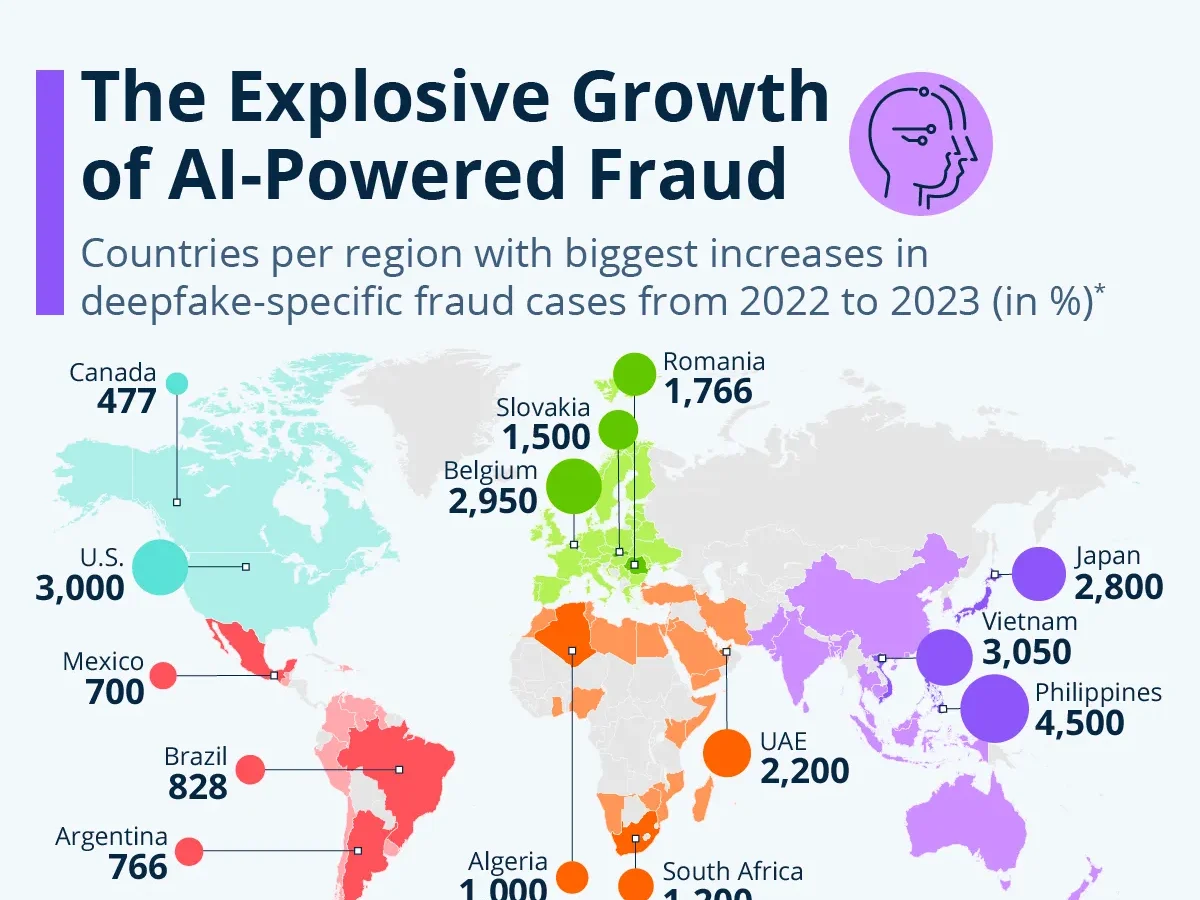
Image Alt Text (5 Suggested Descriptions):
- Shah Rukh Khan Alia Bhatt Deepfake Risk infographic showing 2025 McAfee cybersecurity statistics
- Shah Rukh Khan Alia Bhatt Deepfake Risk comparison chart displaying exploitation methods and scam types
- Shah Rukh Khan Alia Bhatt Deepfake Risk legal framework diagram showing Indian court interventions
- Shah Rukh Khan Alia Bhatt Deepfake Risk detection technology visualization with AI analysis tools
- Shah Rukh Khan Alia Bhatt Deepfake Risk educational poster demonstrating identification techniques.
such an indepth and professional article, i enjoy it, you can visit my page, the best webdesign agency in dortmund Germany https://webdesignagenturdortmund.de/ top webdesigners. Thank you